Reverse osmosis is one of the most widely used water treatment methods in the world, from household under-sink units to large desalination plants. This guide explains how the process works, what the system components do and what to consider before installing one.
Published 31 August 2026 Updated 31 August 2026 10 min read
What is reverse osmosis?
Reverse osmosis (RO) is a filtration process in which water is pushed under pressure through a semi-permeable membrane. The membrane allows water molecules through while rejecting a large proportion of dissolved salts and many other substances. The rejected material is flushed away with a portion of the water, and the treated water is collected on the other side.
How reverse osmosis works
In natural osmosis, water moves across a membrane from a less concentrated solution towards a more concentrated one. Reverse osmosis does the opposite: applying pressure greater than the natural osmotic pressure forces water from the concentrated side to the dilute side, leaving dissolved substances behind. In a domestic system, that pressure comes from the mains supply, sometimes assisted by a booster pump where pressure is low.
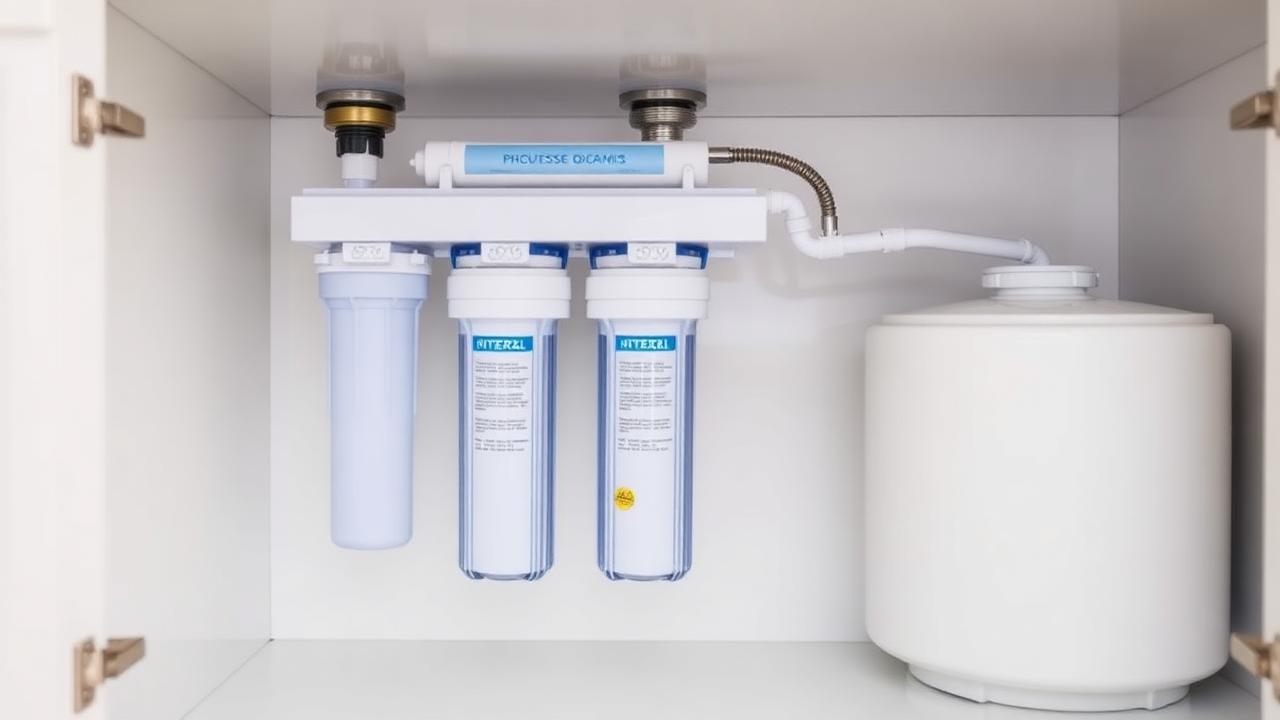
Main parts of an RO system
Pre-filters
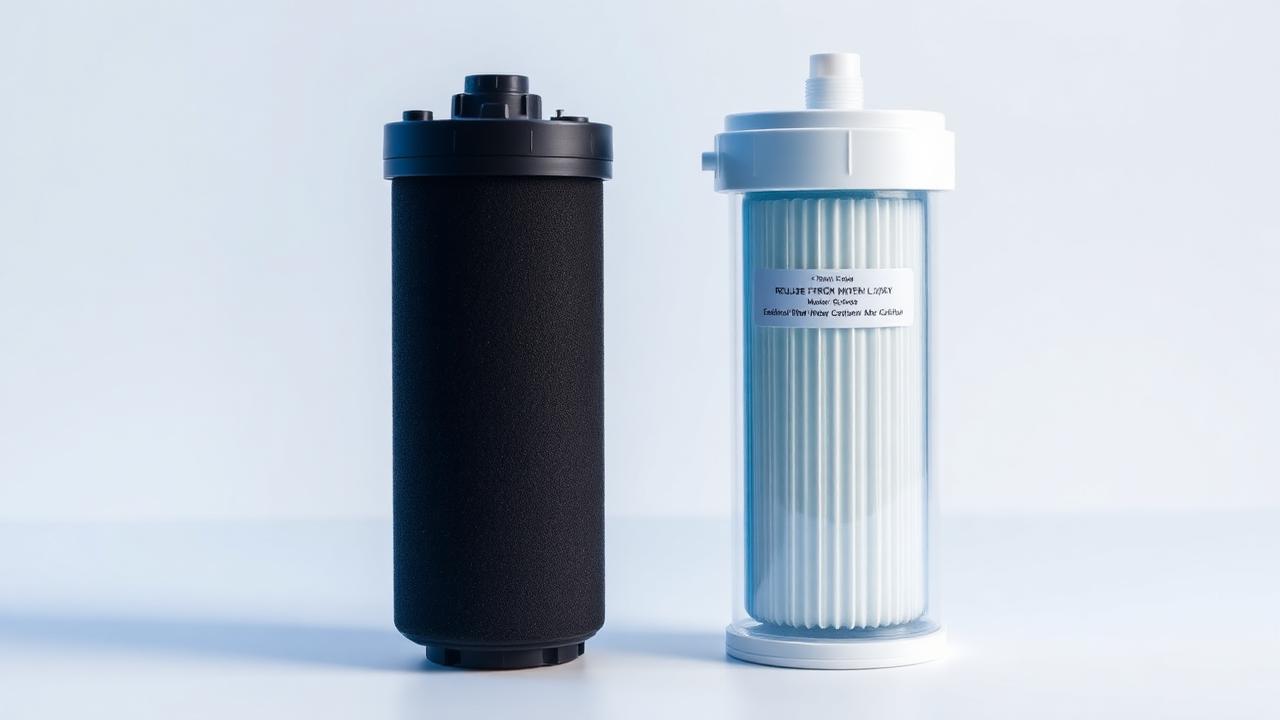
Sediment and carbon pre-filters run before the membrane. The sediment stage removes particles that would clog it, and the carbon stage removes chlorine, which can damage common membrane materials. Skipping or neglecting pre-filters is the fastest way to shorten membrane life.
RO membrane
The membrane is the heart of the system, a tightly wound sheet with extremely fine pores that performs the actual separation. Its rated capacity, usually expressed in gallons or litres per day, determines how quickly treated water is produced.
Post-filter
A final carbon polishing filter sits after the storage tank to refine taste before the water reaches the tap. Some systems add a remineralisation cartridge at this stage.
Storage tank
Because RO produces water slowly, most household systems store treated water in a small pressurised tank so that a normal flow is available on demand. Tankless systems exist and use a higher-capacity membrane and a pump instead.
Dedicated tap and drain connection
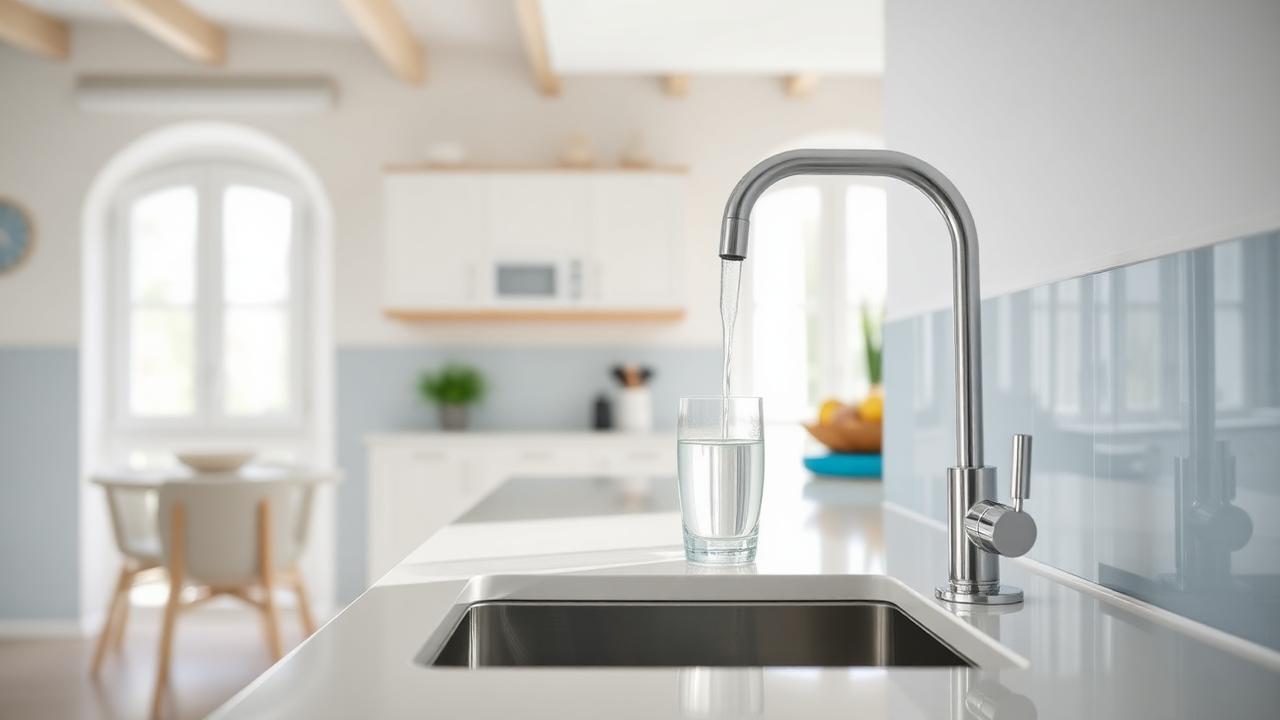
RO systems normally feed a separate drinking-water tap and require a drain connection for the reject water, which is why installation is more involved than for a simple in-line filter.
What reverse osmosis can reduce
Membranes are effective across a broad range of dissolved substances, which typically includes many salts, metals and other dissolved contaminants, along with a substantial reduction in total dissolved solids. Actual performance depends on the specific membrane, feed water quality, pressure and temperature, so always ask for the product's tested performance data rather than relying on generic claims.
What reverse osmosis does not necessarily remove
Dissolved gases can pass through the membrane, so some odour issues may persist without a carbon stage.
Certain small organic molecules may be only partially rejected.
RO is not a substitute for disinfection where a microbiological risk is identified; UV is sometimes added for that purpose.
Hardness is reduced in the treated drinking water, but an under-sink RO unit does nothing for limescale elsewhere in the property — that needs a water softener.
RO water and minerals
Because the membrane rejects dissolved salts indiscriminately, beneficial minerals such as calcium and magnesium are also reduced. Dietary mineral intake comes overwhelmingly from food rather than water, but some people prefer the taste of remineralised water, and many systems offer a remineralisation cartridge as an optional final stage.
Water waste and efficiency
RO systems discharge a portion of the feed water to carry away rejected substances. The ratio of treated water to reject water varies with the system design, membrane, feed pressure and water temperature. Efficiency matters in Cyprus, where water is a limited resource, so it is worth asking suppliers about the expected recovery ratio and whether a permeate pump or higher-efficiency design is available.
Reverse osmosis maintenance
Pre-filters and post-filters are replaced periodically, commonly every 6 to 12 months.
Membranes last considerably longer, often several years, when pre-filters are maintained.
Tank pressure should be checked occasionally, as a flat tank causes weak flow.
Sanitising the system at filter changes is good practice.
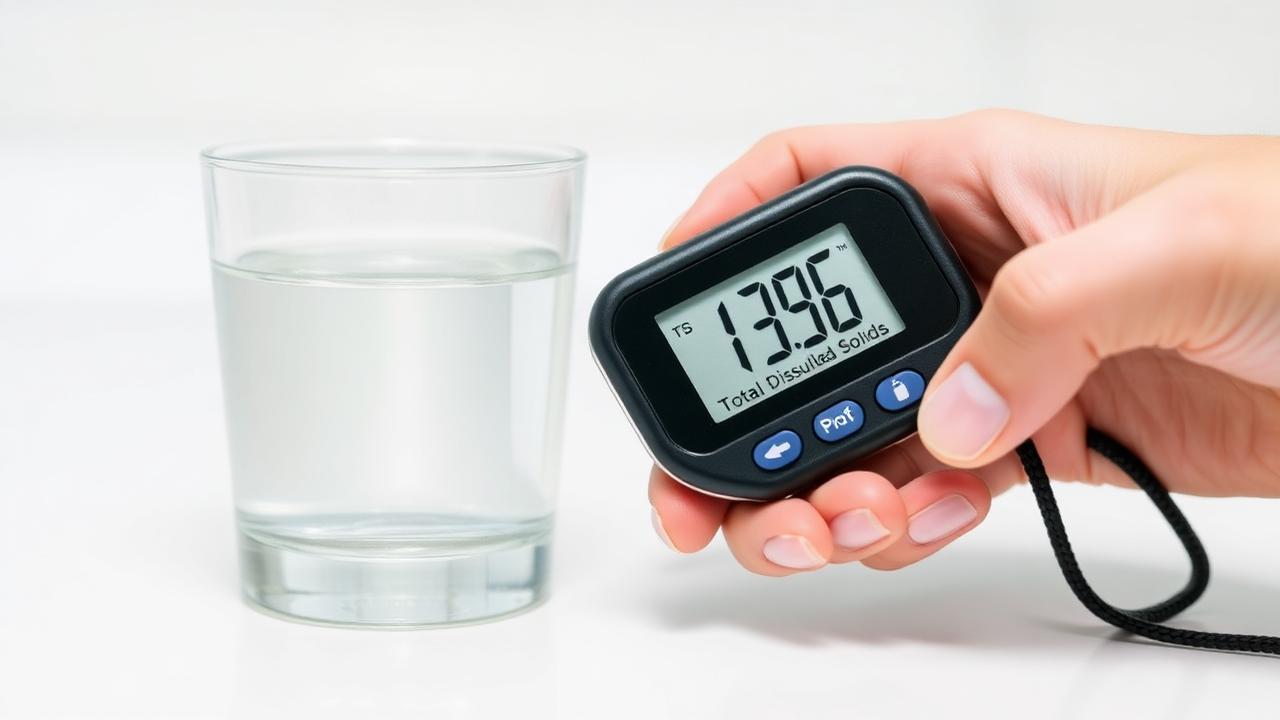
A rising TDS reading in the treated water is a common sign that the membrane needs attention — see what TDS measures.
Reverse osmosis vs standard water filters
Feature
Standard water filter
Reverse osmosis
Filtration method
Depends on the filter medium
Membrane-based separation
Typical use
Taste, odour and selected contaminants
More extensive filtration of dissolved substances
Installation
Varies, often simple
Usually more involved, with a drain connection
Maintenance
Filter replacement
Filter replacement plus membrane maintenance
Water use
No reject water
Produces some reject water
Flow
Immediate at full flow
Slower production, buffered by a storage tank
How reverse osmosis differs from a standard filter
Neither method is universally better; they solve different problems. The detailed side-by-side is in reverse osmosis vs water filter.
Is reverse osmosis suitable for every home?
Not always. RO needs cabinet space, adequate mains pressure and a drain connection, which can be difficult in some apartments or rented properties. If the only issue is chlorine taste, a carbon filter may be simpler and cheaper. If limescale is the concern, softening is the relevant technology.
Questions to ask before buying an RO system
What is the membrane's rated capacity and tested reduction performance?
What is the expected ratio of treated water to reject water?
Is a booster or permeate pump needed at my mains pressure?
What does installation involve, and does it include the dedicated tap and drain?
How much do replacement pre-filters and membranes cost, and are they in stock locally?
Is remineralisation offered, and at what cost?
Who services the system, and how quickly?
Key takeaways
RO uses pressure and a semi-permeable membrane to separate dissolved substances from water.
Pre-filters protect the membrane and are essential to system life.
Systems produce some reject water, so efficiency is worth asking about.
RO treats water at one tap and does not address limescale elsewhere in the property.
Summary
Reverse osmosis provides broad filtration at a single point of use, with a trade-off in installation complexity, maintenance and water use. If it suits your water and your property, the next step is choosing a supplier who installs and services it properly — browse reverse osmosis suppliers or compare water filtration companies in Cyprus.
Frequently asked questions
Is reverse osmosis water safe to drink?
Reverse osmosis is a well-established treatment method used worldwide, including in desalination for public supply. RO water contains fewer dissolved minerals than untreated tap water; dietary minerals come mainly from food, and remineralisation cartridges are available if preferred.
How long does a reverse osmosis membrane last?
Membrane life depends on feed water quality, pressure and pre-filter maintenance, but several years is common when pre-filters are replaced on schedule. A steadily rising TDS reading in the treated water usually indicates the membrane needs replacing.
Does reverse osmosis waste water?
RO systems discharge a portion of the feed water to carry away rejected substances. The ratio varies by system design, pressure and temperature, and higher-efficiency designs or permeate pumps can improve it. Ask suppliers for the expected recovery ratio.
Do I need a water softener as well as reverse osmosis?
They serve different purposes. An under-sink RO unit treats drinking water at one tap, while a softener treats hardness for the whole property to control limescale in pipes, boilers and appliances. In hard water areas, softening also helps protect the RO membrane.
Compare Water Filtration Companies in Cyprus
See coverage, physical locations, product range, installation, maintenance and after-sales support side by side.
How water filters work, the main system types used in Cyprus homes and businesses, what filtration can and cannot remove, and how to choose a system and a supplier.
TDS measures the total dissolved solids in water. Here is what a TDS meter actually tells you, what it cannot tell you, and how it relates to taste, hardness and reverse osmosis.
A practical side-by-side comparison of reverse osmosis and standard water filters: filtration method, contaminants, taste, minerals, water use, installation, maintenance and cost.