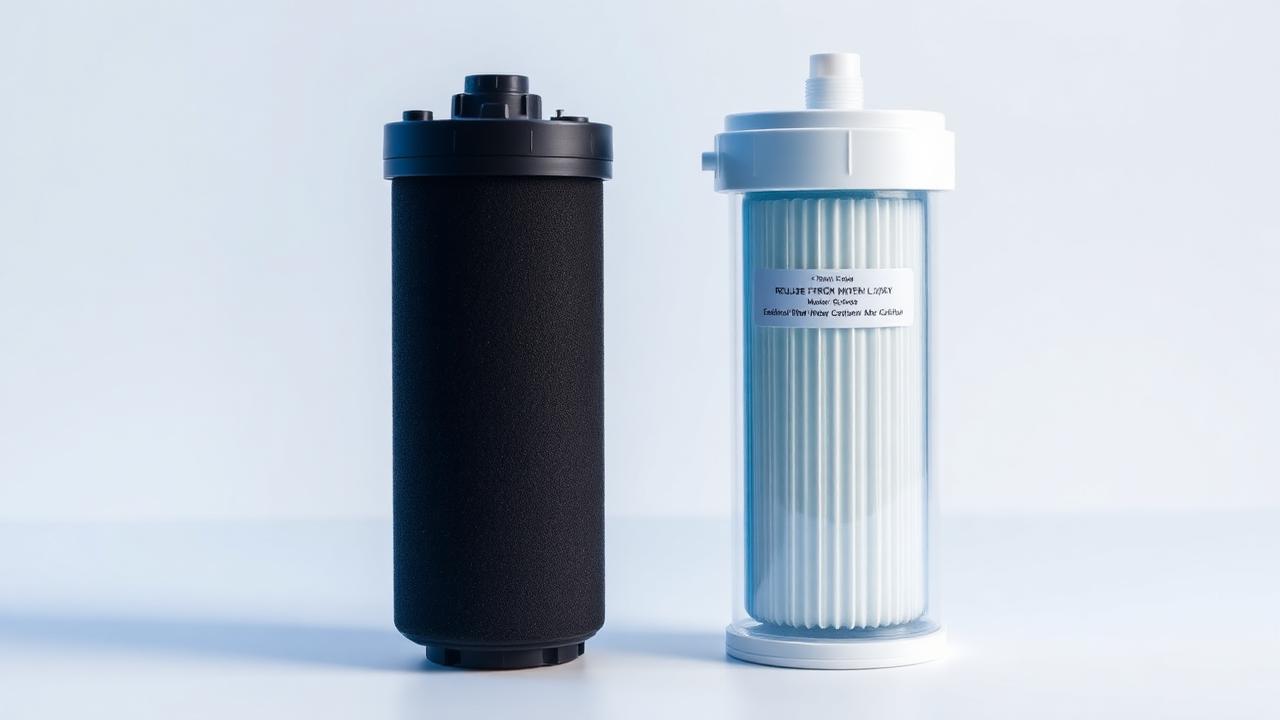
TDS is one of the most commonly quoted water quality numbers, and one of the most commonly misunderstood. This guide explains what total dissolved solids are, how they are measured and what a reading does — and does not — say about your water.
Published 31 August 2026 Updated 31 August 2026 8 min read
What does TDS mean?
TDS stands for total dissolved solids: the combined quantity of all inorganic salts and small amounts of organic matter dissolved in water. It is normally expressed in milligrams per litre (mg/L) or, equivalently, parts per million (ppm). TDS is a bulk measurement — a single number covering everything dissolved, without identifying what those substances are.
What is included in TDS?
Calcium and magnesium, which also determine water hardness.
Sodium, potassium, chloride, sulphate and bicarbonate.
Nitrates and other dissolved salts.
Trace metals present in dissolved form.
Suspended particles are not included: sediment you can see is not dissolved, so it does not register as TDS. Dissolved gases are also excluded.
How is TDS measured?
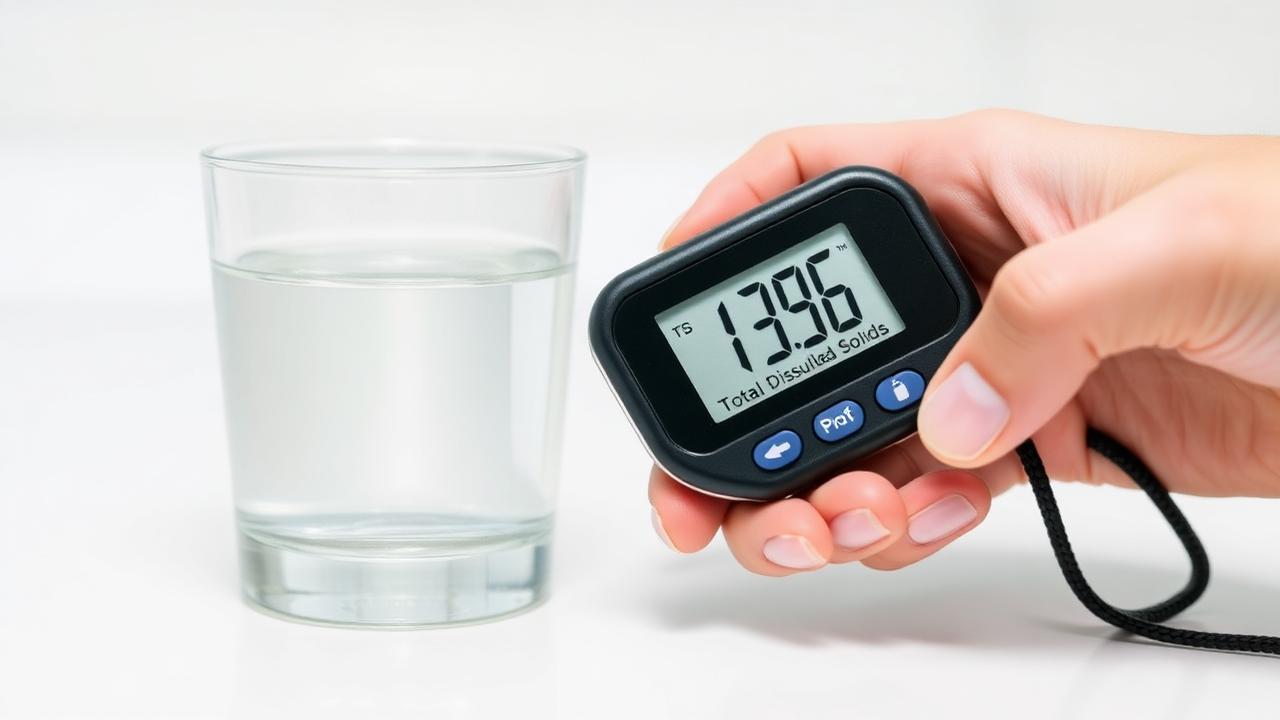
The laboratory method evaporates a filtered water sample and weighs the residue that remains. This is accurate but slow. In practice, most people use a handheld meter, which measures electrical conductivity and converts it to an estimated TDS value using a conversion factor.
What does a TDS meter measure?
A TDS meter measures how easily an electrical current passes through the water. Dissolved ions conduct electricity, so more dissolved salts generally means higher conductivity. The meter then applies a fixed multiplier to display a TDS figure. This is an estimate: substances that do not ionise are effectively invisible to the meter, and the conversion factor assumes a typical mix of salts that may not match your water.
What does a high TDS reading mean?
A high reading means there is a relatively large quantity of dissolved material in the water. That can be entirely natural — groundwater that has passed through mineral-rich rock will have higher TDS than desalinated water — or it can indicate a change worth investigating. A reading on its own does not identify the source or the composition, so it is best used as a screening tool and a way to track change over time.
Does TDS tell you if water is safe?
No. TDS does not determine whether water is safe to drink. It is an aggregate figure that cannot distinguish between harmless minerals and substances of concern, and it does not detect bacteria, most pesticides, or many organic compounds. Do not treat any specific TDS number as a pass or fail for safety.
A low TDS reading can coexist with a microbiological problem, and a high reading may simply reflect naturally mineral-rich water. Safety assessments require testing for specific parameters through a laboratory, alongside the official quality data for your supply area.
TDS and taste
TDS does correlate with taste. Mineral-rich water is often described as full or slightly bitter, while very low TDS water is often described as flat. Taste preference is personal, and there is no universally correct level — some people prefer the crispness of low-TDS filtered water and others prefer mineral content.
TDS and reverse osmosis
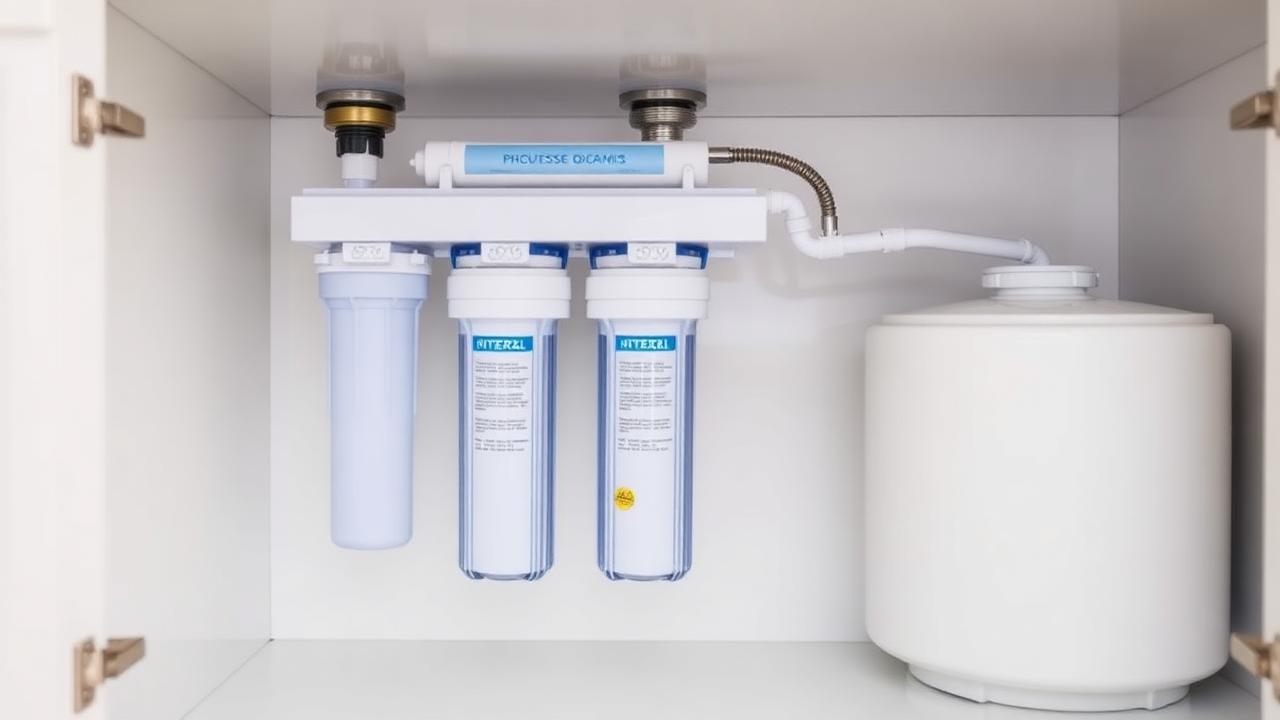
Reverse osmosis is the household technology most associated with TDS reduction, because an RO membrane rejects a large proportion of dissolved salts. This is why suppliers often demonstrate systems with a TDS meter: the before-and-after difference is easy to see. It is a legitimate demonstration of membrane function, but remember that it shows dissolved salt reduction rather than proof of overall water safety. Read how reverse osmosis works.
TDS vs water hardness
The two are related but not the same. Hardness counts only calcium and magnesium; TDS counts everything dissolved. Water can have high TDS and low hardness if the dissolved content is mostly sodium salts. Softeners exchange hardness minerals for sodium, so they change hardness while leaving TDS broadly similar.
Term
What it tells you
TDS
Total dissolved solids, as a single aggregate figure
pH
Acidity or alkalinity of the water
Hardness
Mainly dissolved calcium and magnesium
Chlorine
Residual disinfectant present in the supply
Conductivity
How easily current passes through water; used to estimate TDS
Common water quality terms and what they indicate
How to test TDS at home
1Run the tap for around 30 seconds so you sample supply water, not water standing in the pipe.
2Fill a clean glass and let the temperature stabilise, since readings shift with temperature.
3Switch on the meter, immerse the probe to the marked line and wait for the value to settle.
4Record the reading with the date, the tap used and whether the sample was filtered.
5Repeat periodically so you can see trends rather than a single snapshot.
What to do after getting a TDS reading
Treat the number as a starting point, not a verdict.
Compare it with the published data for your supply area.
If you are concerned about specific substances, order a laboratory test for those parameters.
Be sceptical of any sales pitch built solely on a meter demonstration.
Key takeaways
TDS is an aggregate measure of dissolved material, not a safety rating.
Handheld meters estimate TDS from conductivity, so the figure is approximate.
TDS and hardness measure different things and respond to different systems.
Reverse osmosis reduces TDS substantially; carbon filters generally do not.
Summary
TDS is a quick, cheap and useful indicator, particularly for tracking change or checking that a membrane is still performing. It is not a substitute for proper testing. Once you know what you want to reduce, you can compare water filtration companies in Cyprus and discuss the appropriate system with suppliers.
Frequently asked questions
What is a normal TDS level for drinking water?
Drinking water covers a wide range of TDS values depending on its source, and there is no single normal figure. Very low values are typical of desalinated or reverse osmosis water, while groundwater is usually higher. Because TDS does not identify individual substances, no specific number should be treated as a safety threshold.
Is low TDS water better?
Not necessarily. Low TDS mainly means fewer dissolved salts, which many people find tastes cleaner but others find flat. It is a taste and treatment indicator rather than a measure of quality on its own.
Does boiling water reduce TDS?
No. Boiling removes some dissolved gases and can address microbiological concerns, but dissolved solids remain — and as water evaporates the concentration can actually increase.
Can a TDS meter detect bacteria or chlorine?
No. A TDS meter responds to dissolved ionic content. It cannot detect bacteria, and it is not a reliable way to measure residual chlorine or most organic compounds.
Compare Water Filtration Companies in Cyprus
See coverage, physical locations, product range, installation, maintenance and after-sales support side by side.
How water filters work, the main system types used in Cyprus homes and businesses, what filtration can and cannot remove, and how to choose a system and a supplier.
How reverse osmosis membranes separate dissolved substances from water, what an RO system is made of, what maintenance it needs and where it fits in a home.
A practical side-by-side comparison of reverse osmosis and standard water filters: filtration method, contaminants, taste, minerals, water use, installation, maintenance and cost.