Tap water in Cyprus is supplied as treated drinking water, but the water that reaches your glass is also shaped by your building's plumbing, storage tanks and local conditions. This guide separates those factors and explains what to check before deciding whether you need filtration.
Published 31 August 2026 Updated 31 August 2026 9 min read
Can you drink tap water in Cyprus?
Public water supplies in Cyprus are treated and monitored to drinking water standards, and mains tap water is widely used for drinking and cooking. That said, the quality experienced at a specific tap is not identical everywhere: it depends on the supply zone, the condition of the building's plumbing, whether water passes through a rooftop or underground storage tank, and how long it sits there.
For decisions that involve health, always check the current information published by your local water board or municipality for your specific supply area, or have your water tested. This article explains the general factors involved and does not assess the safety of any individual supply.
Where Cyprus drinking water comes from
Cyprus relies on a combination of sources: surface water from reservoirs, groundwater from boreholes, and desalinated seawater, which has become a significant part of the supply in coastal areas. The mix varies by region and by year, depending on rainfall and reservoir levels. Because the sources differ, the mineral content and taste of tap water can also differ noticeably between towns — and even between periods in the same town.
Why tap water can taste or smell different
Residual chlorine used to keep water safe through the distribution network can produce a distinct taste or smell.
Dissolved minerals from groundwater or reservoir sources affect flavour.
Desalinated water has a different mineral profile from borehole water.
Water that has been standing in warm pipes or a rooftop tank can taste flat or stale.
Older plumbing and fittings can contribute a metallic taste.
Hard water and minerals
Hardness is caused mainly by dissolved calcium and magnesium. It is not a safety issue, but it is the reason for limescale on kettles, shower screens, taps and heating elements, and it can shorten the life of appliances. Hardness is not removed by a standard carbon drinking-water filter — it is addressed by water softening systems fitted where water enters the property.
Chlorine and water treatment
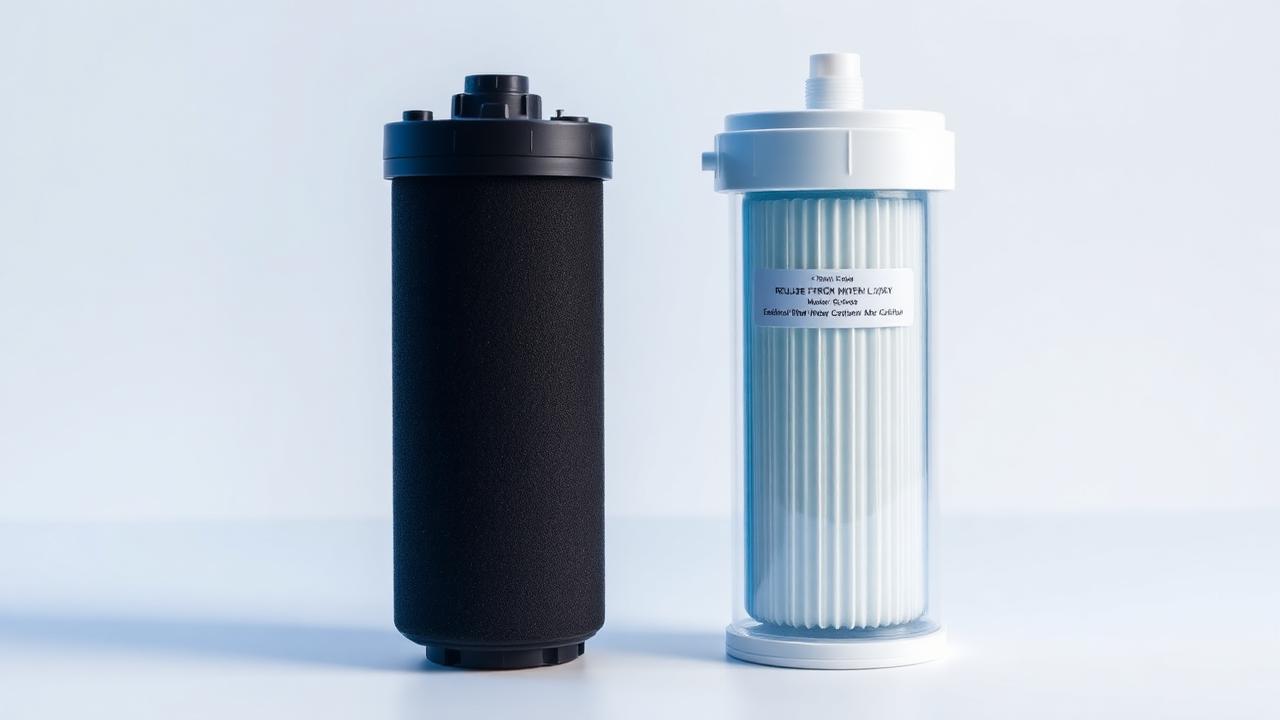
Disinfection is a deliberate and necessary part of supplying safe water through a distribution network. A small residual is maintained so the water stays protected on its way to the tap. Many people who filter their water at home are targeting exactly this residual for taste reasons, which is why activated carbon is the most common filtration medium in domestic drinking-water systems.
Household plumbing and storage
A large share of taste and quality complaints originate inside the building rather than in the mains. Rooftop tanks are common in Cyprus and need periodic cleaning and a properly sealed lid. Long runs of pipework, dead legs in rarely used bathrooms, old galvanised pipe and poorly maintained tanks can all change the water that finally reaches the tap. If water quality varies between taps in the same property, the cause is usually internal.
When people consider additional filtration
Persistent chlorine taste or odour at the kitchen tap.
Visible sediment or discolouration, especially after works on the network.
Heavy limescale on appliances and fittings.
A preference for filtered water for drinking, cooking, coffee or infant feeding.
A wish to reduce bottled water purchases and plastic waste.
A specific test result that identifies something the household wants to reduce.
How to test water quality
1Check your water board's published quality data for your supply area as a baseline.
3For decisions that matter, use an accredited laboratory test on a sample taken from your own tap.
4Test both a first-draw sample and a flushed sample if you suspect plumbing is the cause.
Which filtration systems may be relevant
Concern
Commonly considered system
Where it is installed
Chlorine taste and odour
Activated carbon filter
Under sink or countertop
Sediment or discolouration
Sediment pre-filter
Point of use or point of entry
Limescale and hard water
Water softener
Point of entry
High dissolved solids
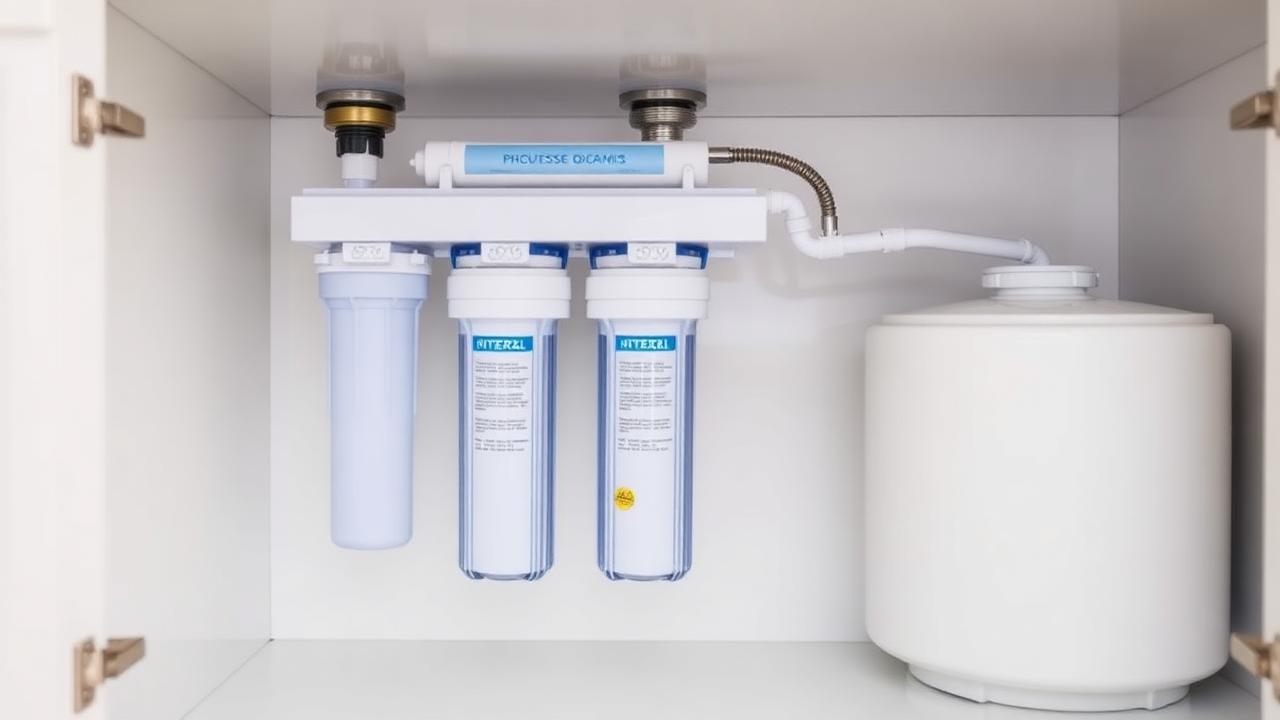
Reverse osmosis
Under sink
Whole-property treatment
Whole-house filtration
Point of entry
Common concerns and the systems usually associated with them
What to consider before buying a filter
Identify the issue first, then match the technology. Confirm what a given system is tested to reduce, what it costs to maintain, and who will service it. Our complete guide to water filters in Cyprus covers the system types in detail, and you can compare water filtration companies in Cyprus on locations, installation, maintenance and support.
Key takeaways
Mains water in Cyprus is treated and monitored, but the experience at your tap also depends on your building.
Sources vary by region and season, which is why taste differs between towns.
Hardness is a limescale issue rather than a safety issue, and needs a softener rather than a carbon filter.
Test before buying, and check official local information for health-related decisions.
Summary
Most households in Cyprus that install filtration are addressing taste, odour, sediment or limescale rather than reacting to a supply failure. Establish what you actually want to change, verify it with a test where possible, and then choose a system and a supplier that can maintain it locally.
Frequently asked questions
Is Cyprus tap water hard?
Hardness varies by area and source. Many parts of Cyprus experience noticeable limescale, which indicates dissolved calcium and magnesium. A hardness test or a check with your local water board will tell you the level for your supply zone.
Why does my tap water taste of chlorine in Cyprus?
A residual disinfectant is maintained through the distribution network to keep water protected until it reaches the tap. That residual can be noticeable in taste and smell, and it is the reason activated carbon filters are commonly used at kitchen taps.
Does a rooftop water tank affect drinking water?
It can. Storage tanks need periodic cleaning and a properly sealed cover, and water standing in a warm tank can taste flat. If quality differs between taps in the same property, the internal plumbing or tank is a likely factor.
Should I test my tap water before buying a filter?
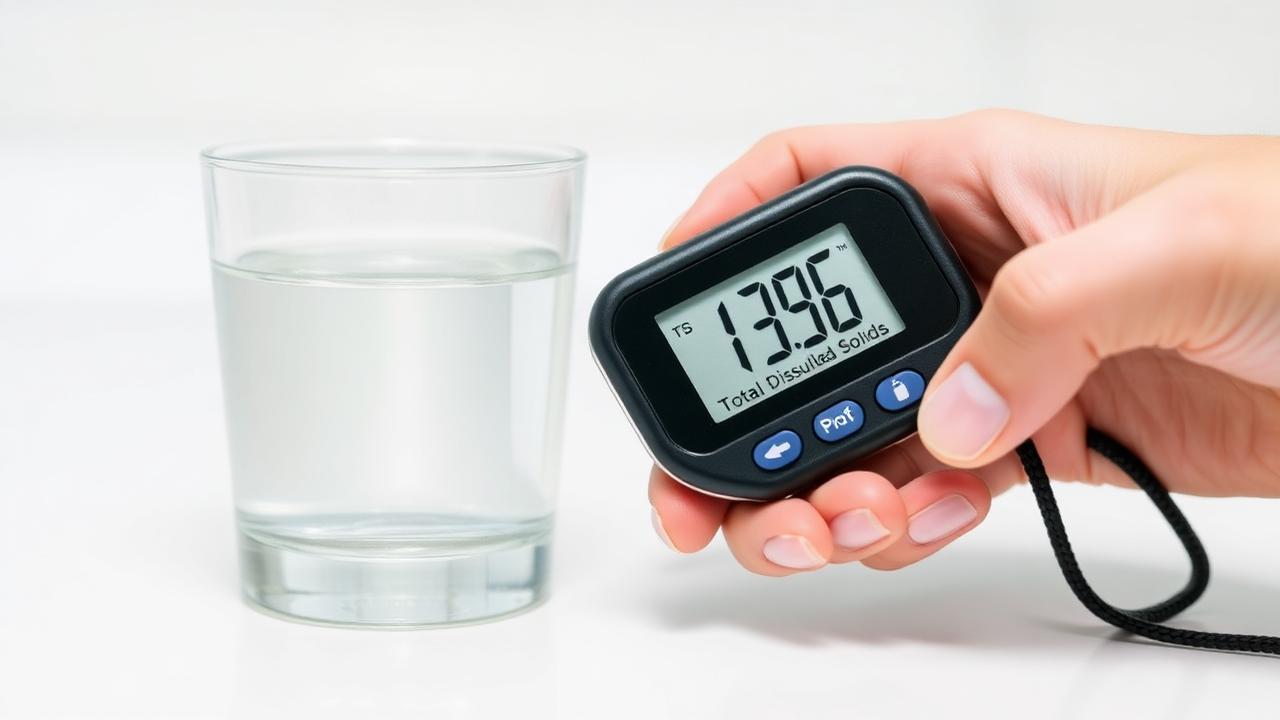
Testing is the most reliable way to avoid buying a system that does not address your actual issue. A TDS meter or home kit gives a quick indication, while an accredited laboratory test gives detail on specific parameters.
Compare Water Filtration Companies in Cyprus
See coverage, physical locations, product range, installation, maintenance and after-sales support side by side.
How water filters work, the main system types used in Cyprus homes and businesses, what filtration can and cannot remove, and how to choose a system and a supplier.
TDS measures the total dissolved solids in water. Here is what a TDS meter actually tells you, what it cannot tell you, and how it relates to taste, hardness and reverse osmosis.
How reverse osmosis membranes separate dissolved substances from water, what an RO system is made of, what maintenance it needs and where it fits in a home.
A practical side-by-side comparison of reverse osmosis and standard water filters: filtration method, contaminants, taste, minerals, water use, installation, maintenance and cost.