Water in Cyprus
Is Tap Water Safe to Drink in Cyprus?
What determines drinking water quality in Cyprus, why water can taste different between buildings, and when households consider additional filtration.
9 min read Updated 31 August 2026
Water filters are used across Cyprus for taste, odour, sediment and general peace of mind. This guide explains the main filter types, what each one is typically used for, what maintenance to expect and which questions to ask before you buy.
A water filter is a device that water passes through so that certain substances are physically trapped, chemically adsorbed or separated by a membrane. Different filter media target different things: some are designed for particles such as sand and rust, others for chlorine taste and odour, and others for a broader range of dissolved substances. No single filter type addresses everything, which is why systems are often combined in stages.
The right starting point is the symptom, not the product. If limescale is the main problem, a drinking-water filter will not solve it; that is a job for water softening systems. If taste is the issue, whole-house treatment may be more than you need.
Activated carbon (in granular or carbon block form) is the most widely used medium for improving taste and odour. It works mainly by adsorption and is commonly used to reduce chlorine taste and some organic compounds. Carbon does not remove dissolved minerals, so it does not soften water or lower hardness.
Sediment or particle filters trap sand, silt, rust and other suspended solids, typically rated in microns. They are frequently installed as a first stage to protect the more expensive filters or membranes that follow.
Under-sink systems are installed in the cabinet and usually feed a separate drinking-water tap. They keep the worktop clear, hold larger cartridges than jug filters and generally require a plumbing connection.
Countertop units connect to the existing tap, and jug filters need no installation at all. They are the simplest entry point, but cartridge capacity is smaller and replacement is more frequent.
A point-of-entry system treats water where it enters the property, so showers, washing machines and all taps receive treated water. It is normally used for sediment, chlorine or hardness rather than for fine drinking-water polishing. See suppliers of whole house water filtration.
Reverse osmosis pushes water through a semi-permeable membrane and is usually installed under the sink with pre-filters, a post-filter and a small storage tank. It is a different category of filtration rather than another cartridge type — read how reverse osmosis works.
| System | Best for | Installation | Maintenance | Typical use |
|---|---|---|---|---|
| Jug filter | Taste and odour, small volumes | None | Frequent cartridge changes | Single person or occasional use |
| Countertop filter | Taste, odour, some particles | Connects to existing tap | Periodic cartridge change | Rented homes, no plumbing changes |
| Under-sink filter | Drinking and cooking water | Plumbing connection, separate tap | Cartridge change, typically 6–12 months | Family kitchens |
| Reverse osmosis | More extensive filtration of dissolved substances | Under-sink with drain connection | Pre/post-filters plus membrane | Households wanting broader treatment |
| Whole-house filtration | Sediment and chlorine for the whole property | Point of entry, plumbing work | Cartridge or media servicing | Houses, villas, older plumbing |
| Water softener | Hardness and limescale | Point of entry, drain and salt supply | Salt top-ups and servicing | Hard water areas |
Capability depends entirely on the technology and the specific product certification. Broadly:
A carbon filter does not soften water. A softener does not improve drinking-water taste. A sediment filter does nothing for dissolved substances. Claims should always be tied to the specific product and, ideally, to independent certification for the contaminant in question. If a supplier cannot say what a system is tested to reduce, treat broad claims with caution.
Our how to choose page covers supplier-side checks in more detail.
Every filter has a service life measured in time, volume or both. Sediment and carbon cartridges are commonly changed every 6 to 12 months depending on use and water conditions, while reverse osmosis membranes usually last considerably longer. An overdue cartridge can reduce flow and stops performing as intended, so replacement intervals matter as much as the original system choice.
Prices vary between suppliers and property types, so ask for a written quotation that separates equipment, installation and ongoing consumables.
Beyond the hardware, the supplier determines your experience over the following years. Consider how long the company has operated, whether it has a physical location you can visit, which cities it covers, whether it installs and services what it sells, and how easily you can obtain replacement filters. You can compare water filtration companies in Cyprus on exactly these factors, or browse the company directory.
Key takeaways
Start with the water problem you want to solve, verify it where possible, then choose the simplest system that addresses it reliably. Once you know the system type, the remaining decision is the supplier — and that is where local presence, installation, maintenance and after-sales support make the difference. When you are ready, compare water filtration companies in Cyprus side by side.
It depends on your water and your priorities. Many households use filters for taste, odour or sediment, or to reduce bottled water use. If limescale is your main concern, a softening system is usually more relevant than a drinking-water filter. Checking your water first helps avoid buying the wrong system.
There is no single best system. Under-sink filters are common for drinking and cooking water, whole-house systems are used for sediment and chlorine across a property, and reverse osmosis is chosen when more extensive filtration is wanted. The right choice depends on the water issue, the property and the budget for maintenance.
Sediment and carbon cartridges are commonly replaced every 6 to 12 months, depending on the manufacturer's rating, water conditions and how much water you use. Reverse osmosis membranes typically last longer. Always follow the specific system's stated intervals.
Standard carbon or sediment filters do not reduce hardness, so they do not stop limescale. Hardness is addressed by ion-exchange water softeners or other scale-control systems installed where water enters the property.
See coverage, physical locations, product range, installation, maintenance and after-sales support side by side.
Keep reading
What determines drinking water quality in Cyprus, why water can taste different between buildings, and when households consider additional filtration.
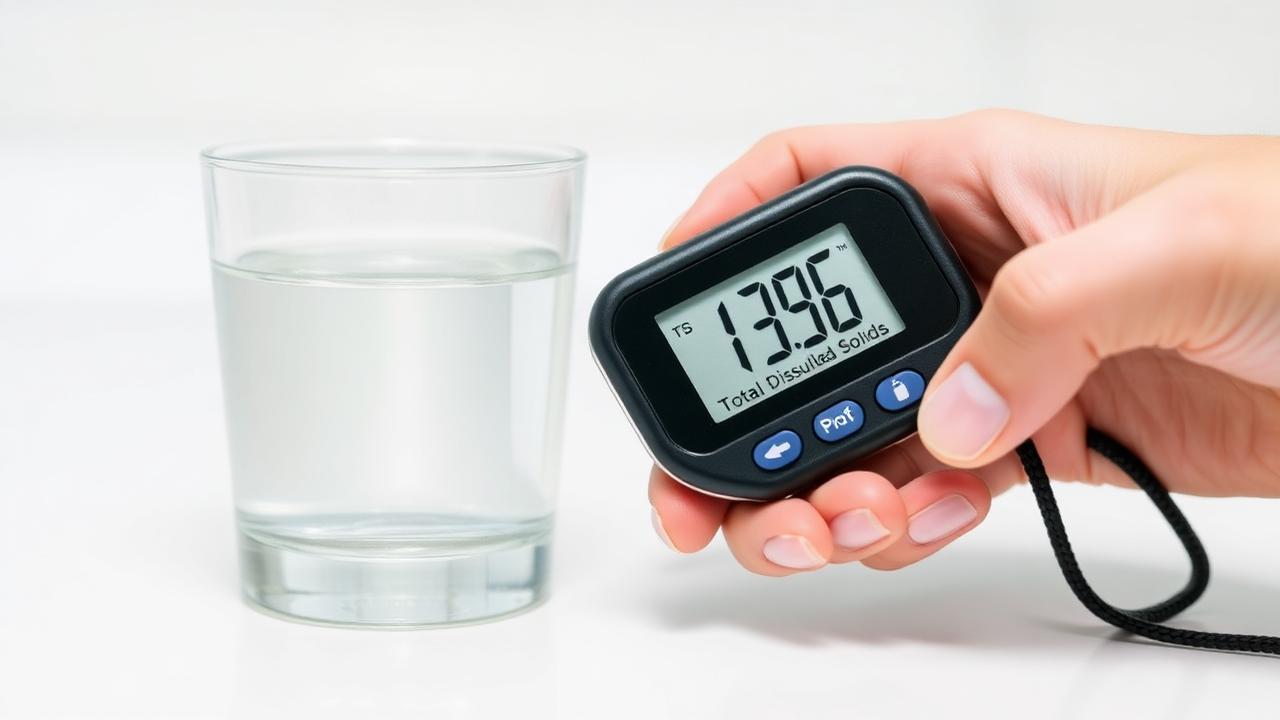
TDS measures the total dissolved solids in water. Here is what a TDS meter actually tells you, what it cannot tell you, and how it relates to taste, hardness and reverse osmosis.
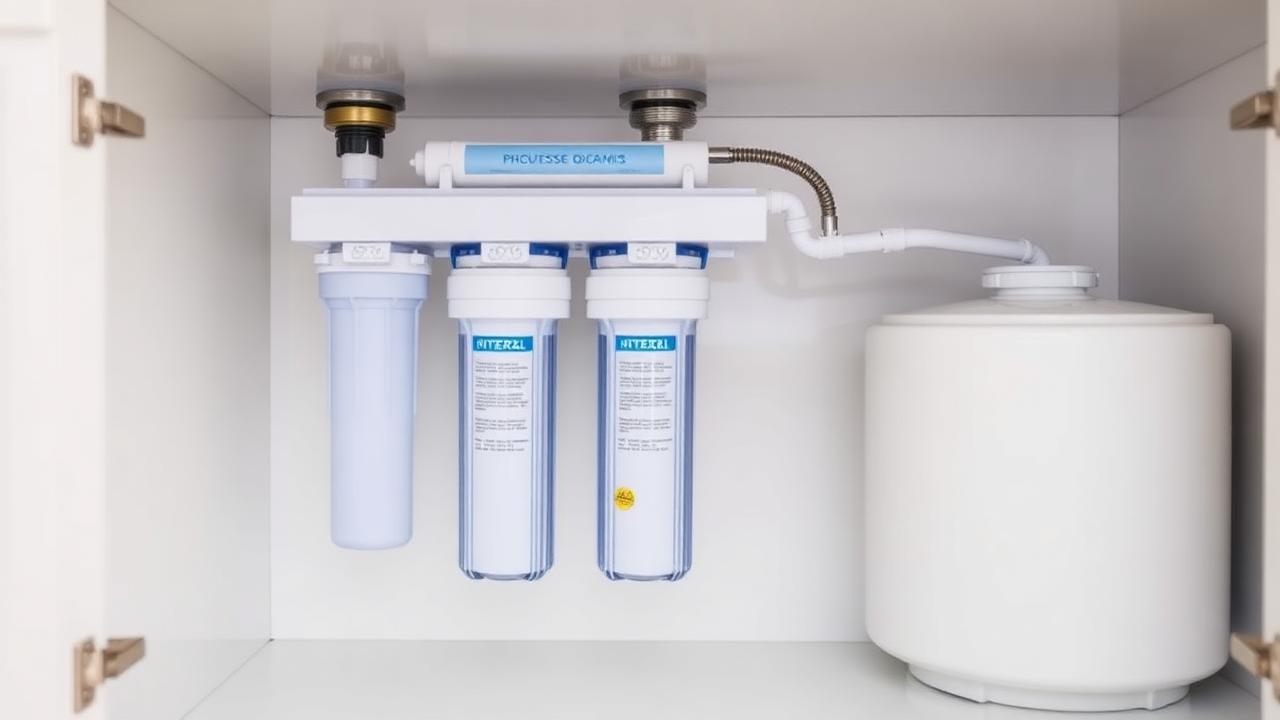
How reverse osmosis membranes separate dissolved substances from water, what an RO system is made of, what maintenance it needs and where it fits in a home.
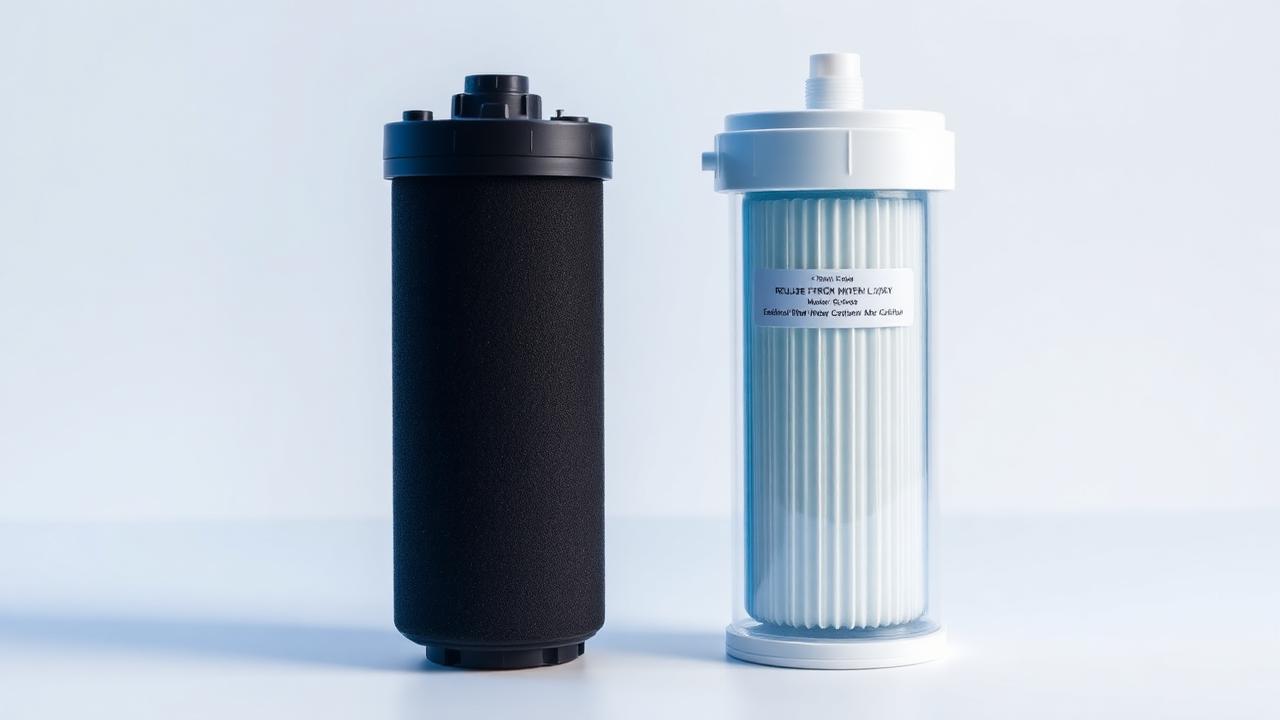
A practical side-by-side comparison of reverse osmosis and standard water filters: filtration method, contaminants, taste, minerals, water use, installation, maintenance and cost.
Related solutions
Water Filters
Companies supplying drinking-water and point-of-use filters in Cyprus.
Reverse Osmosis
Suppliers of under-sink and larger reverse osmosis systems.
Water Softeners
Companies offering softening systems for hard water and limescale.
Whole House Filtration
Point-of-entry systems that treat water for the whole property.
Compare Companies
Compare water filtration companies in Cyprus side by side.